

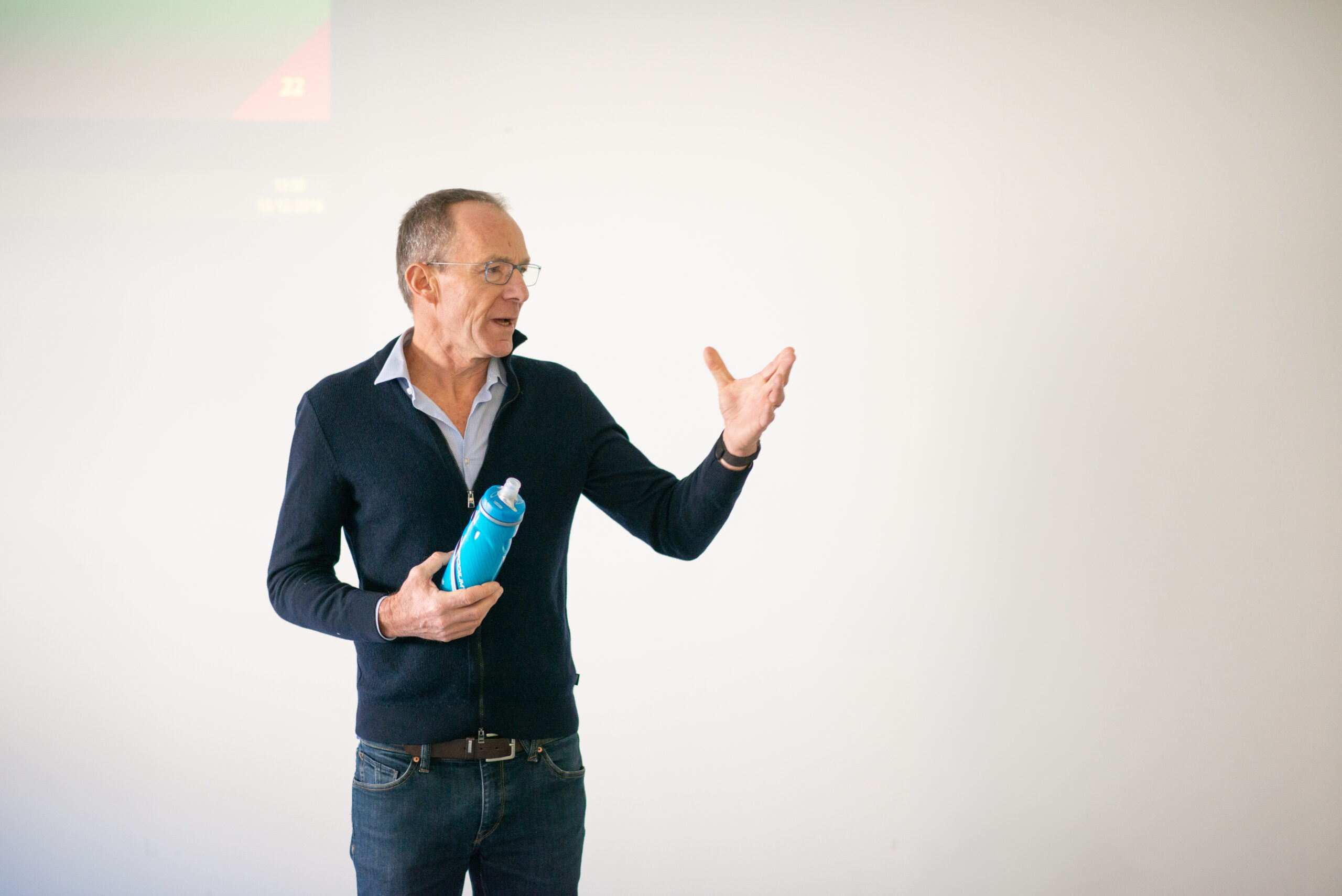
Following a veterinary training which taught me discipline and how to make diagnoses, and sharpened my observational skills, I wanted to take things to the next level. I launched the MAXIZOO chain of pet stores.I experienced two rounds of fundraising, growth management, retail operations, and team management (over 250 employees) before overseeing the sale of the company to the market leader.
Building on this experience and driven by a constant desire to be an entrepreneur, I wanted to combine my passion for rowing with business. I founded the company LITEBOAT: a manufacturer of rowing boats with a niche market focus, combining design and innovation, with 90% of its revenue generated internationally.
Following a veterinary training which taught me discipline and how to make diagnoses, and sharpened my observational skills, I wanted to take things to the next level. I launched the MAXIZOO chain of pet stores.I experienced two rounds of fundraising, growth management, retail operations, and team management (over 250 employees) before overseeing the sale of the company to the market leader.
Building on this experience and driven by a constant desire to be an entrepreneur, I wanted to combine my passion for rowing with business. I founded the company LITEBOAT: a manufacturer of rowing boats with a niche market focus, combining design and innovation, with 90% of its revenue generated internationally.
Professional experiences
Rural veterinarian
Field work comes first

I began my career as a “rural” veterinarian, working directly in the field among farms in mountainous areas. My days were punctuated by emergencies, travel, and decisions that had to be made quickly. I was always on my own, sometimes working at night, with immediate responsibility. With farmers, there was no room for theory. I had to understand quickly, act correctly, and accept the consequences. Earning their trust, in a tight economic climate, required rigor and honesty.
Over the years, I’ve learned to observe subtle cues (animals don’t speak) and make quick decisions.
Maxizoo
Build and make it grow
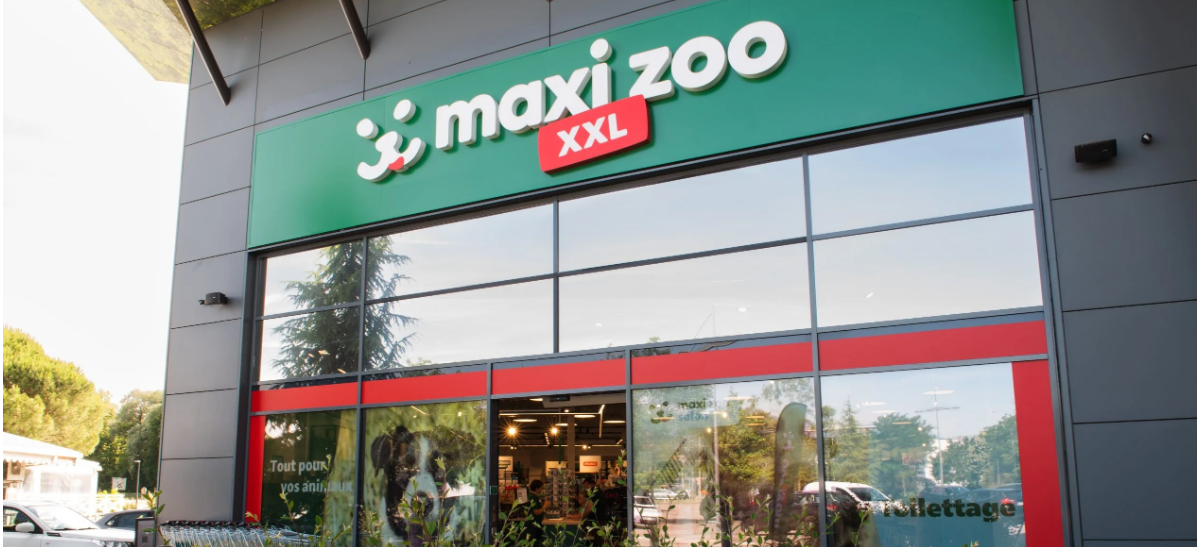
After years of hands-on experience and an MBA in Business Administration, I founded MAXIZOO from the ground up. From scratch. We had to build everything from the ground up: the concept, the teams, the stores, and customer relations. We grew quickly while maintaining a solid structure. We made decisions—sometimes risky ones—often under pressure. Several fundraising rounds were pivotal moments. I had to convince, reassure, and navigate the scrutiny of demanding investors (major French banks). MAXIZOO grew rapidly from a handful of people to over 250 employees (15 stores), until it was sold to the European leader in the sector. After the sale, I continued to work for that company as a consultant.
This experience taught me how to organize, structure, and lead a team to success.
Liteboat
Innovate and open up to the world
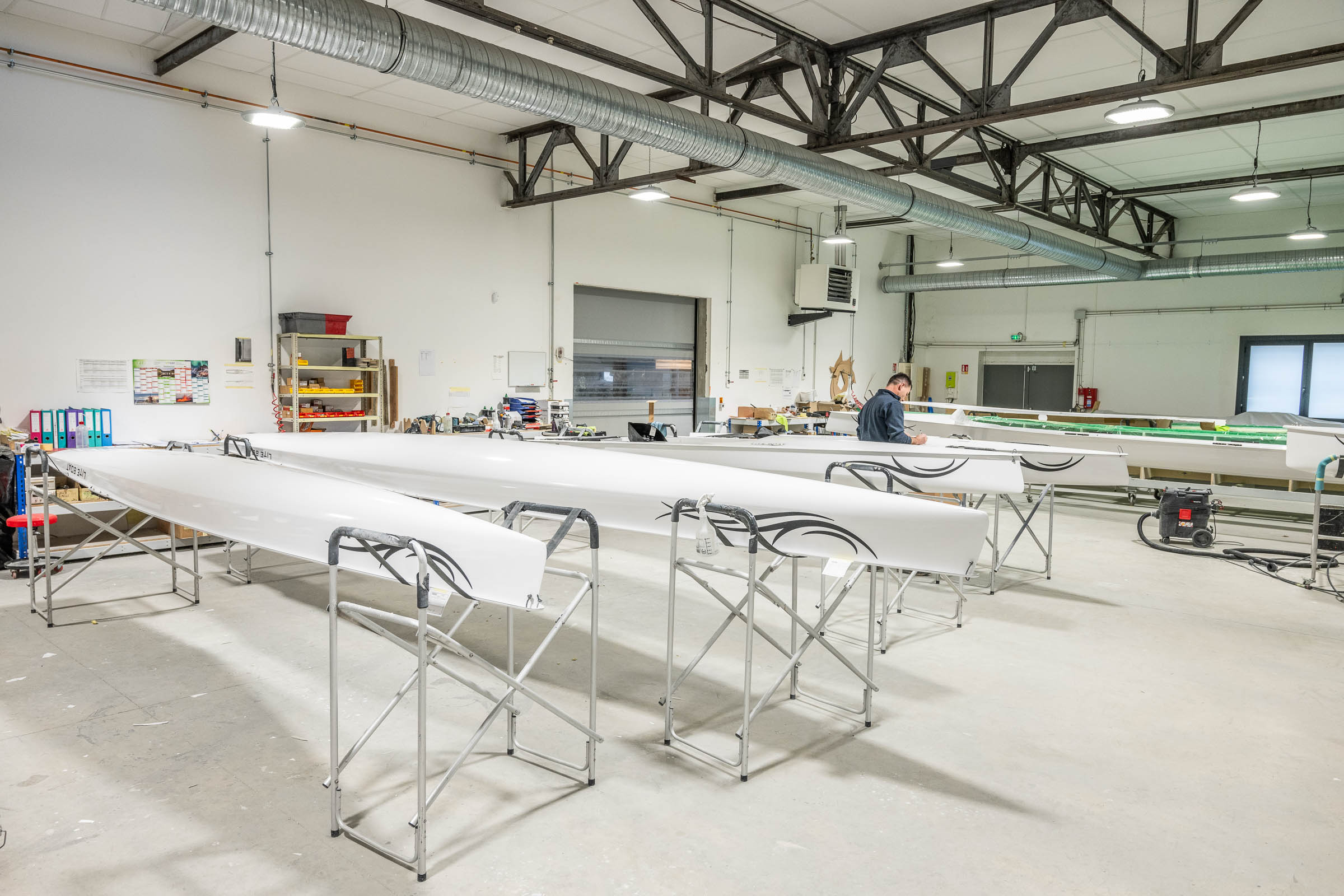
Just like with MAXIZOO, it was a fresh start “from scratch,” beginning with an idea. After rowing solo across the Atlantic Ocean in the LITEBOAT, I shifted my focus. The goal was to create an innovative industrial company in a niche market that I was passionate about. We designed and built high-end rowing boats using composite materials (carbon fiber), adhering to very high standards. Very quickly, the company expanded internationally. 85% of revenue came from exports. We had to adapt to different cultures, establish a network of distributors, and manage complex logistics. LITEBOAT grew and became more structured until its sale in 2024.
This experience taught me how to run a rapidly growing international company.
Rural veterinarian
Field work comes first
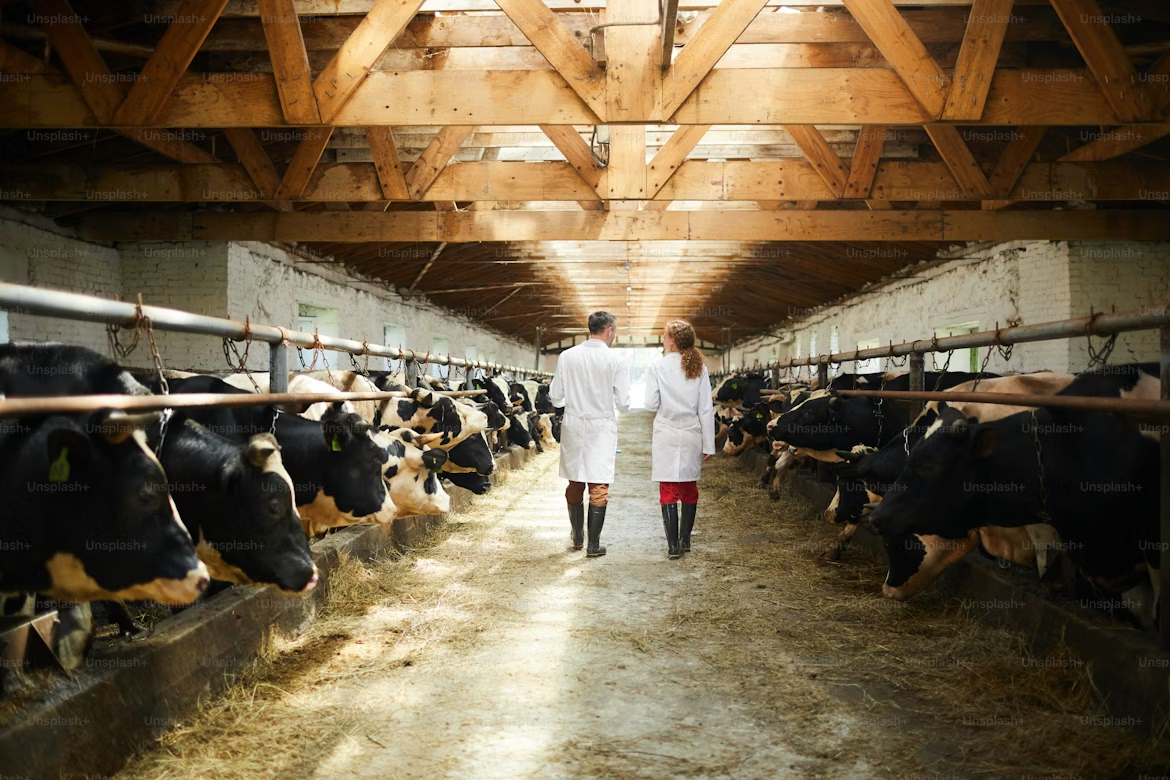
I began my career as a “rural” veterinarian, working directly in the field among farms in mountainous areas. My days were punctuated by emergencies, travel, and decisions that had to be made quickly. I was always on my own, sometimes working at night, with immediate responsibility. With farmers, there was no room for theory. I had to understand quickly, act correctly, and accept the consequences. Earning their trust, in a tight economic climate, required rigor and honesty.
Over the years, I’ve learned to observe subtle cues (animals don’t speak) and make quick decisions.
Maxizoo
Build and make it grow
After years of hands-on experience and an MBA in Business Administration, I founded MAXIZOO from the ground up. From scratch. We had to build everything from the ground up: the concept, the teams, the stores, and customer relations. We grew quickly while maintaining a solid structure. We made decisions—sometimes risky ones—often under pressure. Several fundraising rounds were pivotal moments. I had to convince, reassure, and navigate the scrutiny of demanding investors (major French banks). MAXIZOO grew rapidly from a handful of people to over 250 employees (15 stores), until it was sold to the European leader in the sector. After the sale, I continued to work for that company as a consultant.
This experience taught me how to organize, structure, and lead a team to success.
Liteboat
Innovate and open up to the world
Just like with MAXIZOO, it was a fresh start “from scratch,” beginning with an idea. After rowing solo across the Atlantic Ocean in the LITEBOAT, I shifted my focus. The goal was to create an innovative industrial company in a niche market that I was passionate about. We designed and built high-end rowing boats using composite materials (carbon fiber), adhering to very high standards. Very quickly, the company expanded internationally. 85% of revenue came from exports. We had to adapt to different cultures, establish a network of distributors, and manage complex logistics. LITEBOAT grew and became more structured until its sale in 2024.
This experience taught me how to run a rapidly growing international company.
Personal Adventures
Alongside my career as an entrepreneur, I’ve been fortunate enough to embark on a number of adventures at sea, on land, and in the mountains.
Here are a few examples.
Rames Guyane 2009
Rowing across the Atlantic
I set out alone, in a tiny boat, to row across the Atlantic. For weeks, I made my way forward meter by meter (4,300 km over 43 days), without an engine or any assistance, with nothing on the horizon but the water’s surface and the next stroke of the oar. The challenge wasn’t just physical. It was the duration, the repetition, and the mental strain.
This journey taught me the power of perseverance, the importance of staying the course when nothing seems to be happening, when no one is watching. Just like in business, success doesn’t come from a single flash of brilliance, but from the ability to keep moving forward, time and time again, even when the road is long.
Northwest Passage
Rowing across
The Northwest Passage is an extreme environment, where ice, currents, and weather dictate the pace. It’s not enough just to keep moving forward: you have to choose the right moment, sometimes waiting for days, sometimes acting quickly, depending on the weather window. Unlike in the Atlantic or Alaska, here there is virtually no margin for error. There’s no one to validate a decision or share your doubts. You have to accept failure as a lesson and know when to give up in order to survive and keep going.
This adventure taught me to fully own my decisions, to stay clear-headed under pressure, and to plan with patience and precision. Just like in business, success depends on the ability to anticipate, adapt, and stay the course despite the unexpected.
Skiing Across Alaska
Solo, in winter
In Alaska, there’s no such thing as a comfortable pace. Extreme cold—down to -50°C—total isolation, and conditions that change without warning. Here, the challenge isn’t the duration, but the constant need to adapt. What worked yesterday can become dangerous today. You have to be willing to revise your plans, sometimes several times a day.
These experiences have taught me humility and clarity of thought. They’ve taught me to make decisions on my own, in the face of uncertainty, with no guarantee of success. These are essential qualities for a leader navigating volatile markets, where stubbornly sticking to a course can end up costing more than changing direction.
Rames Guyane 2009
Rowing across the Atlantic
I set out alone, in a tiny boat, to row across the Atlantic. For weeks, I made my way forward meter by meter (4,300 km over 43 days), without an engine or any assistance, with nothing on the horizon but the water’s surface and the next stroke of the oar. The challenge wasn’t just physical. It was the duration, the repetition, and the mental strain.
This journey taught me the power of perseverance, the importance of staying the course when nothing seems to be happening, when no one is watching. Just like in business, success doesn’t come from a single flash of brilliance, but from the ability to keep moving forward, time and time again, even when the road is long.
Northwest Passage
Rowing across
The Northwest Passage is an extreme environment, where ice, currents, and weather dictate the pace. It’s not enough just to keep moving forward: you have to choose the right moment, sometimes waiting for days, sometimes acting quickly, depending on the weather window. Unlike in the Atlantic or Alaska, here there is virtually no margin for error. There’s no one to validate a decision or share your doubts. You have to accept failure as a lesson and know when to give up in order to survive and keep going.
This adventure taught me to fully own my decisions, to stay clear-headed under pressure, and to plan with patience and precision. Just like in business, success depends on the ability to anticipate, adapt, and stay the course despite the unexpected.
Skiing Across Alaska
Solo, in winter
In Alaska, there’s no such thing as a comfortable pace. Extreme cold—down to -50°C—total isolation, and conditions that change without warning. Here, the challenge isn’t the duration, but the constant need to adapt. What worked yesterday can become dangerous today. You have to be willing to revise your plans, sometimes several times a day.
These experiences have taught me humility and clarity of thought. They’ve taught me to make decisions on my own, in the face of uncertainty, with no guarantee of success. These are essential qualities for a leader navigating volatile markets, where stubbornly sticking to a course can end up costing more than changing direction.
These adventures aren’t just side projects alongside my career as an entrepreneur. They are a natural extension of it, in a different arena.
Whether in the middle of the Atlantic, on the frozen ground of Alaska, or amid the ice of the Northwest Passage, I’ve faced the same challenges as in the corporate world: stepping outside my comfort zone, moving forward without certainty, making decisions on my own while relying on a strong team for support, handling the unexpected, persevering over the long haul, and accepting that things won’t always go as planned. In an expedition, just as in business, you have to prepare seriously, but you also have to know when to let go of the initial plan when reality demands it. You have to know how to take the hits, doubt yourself, keep going, and sometimes give up in order to start over stronger. And above all, you have to own your decisions, because no one will make them for you. It is this real-life, concrete, and sometimes harsh experience that I now put at the service of business leaders.
Not concepts or theoretical models, but a deep understanding of what it means to lead, make decisions, and stay the course when the pressure mounts.
